

Adjusting the tension of gas cooker knobs is a crucial skill that can significantly enhance the functionality and safety of your gas cooker. As a leading supplier of high-quality Gas Cooker Knobs, I've encountered numerous inquiries regarding this topic. In this blog, I'll share comprehensive insights on how to adjust the tension of gas cooker knobs, ensuring a smooth and efficient cooking experience.
Understanding the Importance of Tension Adjustment
The tension of gas cooker knobs plays a vital role in controlling the flow of gas to the burners. If the tension is too loose, the knobs may turn too easily, leading to accidental ignition or improper flame control. On the other hand, if the tension is too tight, it can be difficult to turn the knobs, causing inconvenience and potential damage to the control mechanism. Therefore, maintaining the appropriate tension is essential for both safety and performance.
Identifying the Type of Gas Cooker Knobs
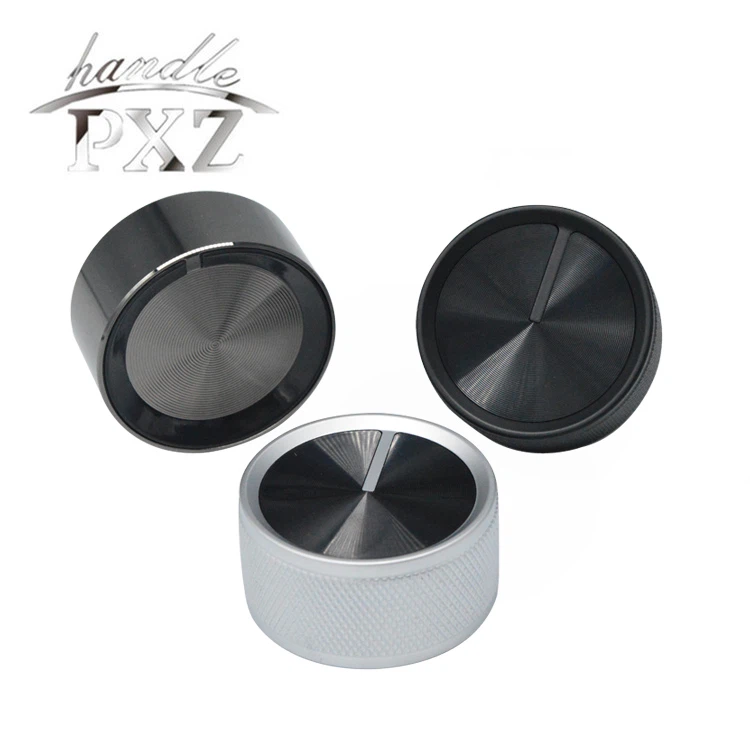
Before attempting to adjust the tension, it's important to identify the type of gas cooker knobs you have. There are several common types, including ALU Gas Oven Knobs, Range Burner Knobs, and Stove Switch Knobs. Each type may have a different mechanism for adjusting the tension.
- ALU Gas Oven Knobs: These knobs are typically made of aluminum and are used to control the temperature and functions of gas ovens. You can find more information about our ALU Gas Oven Knobs.
- Range Burner Knobs: Designed to control the burners on a gas range, these knobs are often used for cooking on the stovetop. Explore our selection of Range Burner Knobs.
- Stove Switch Knob: These knobs are used to turn the gas supply on and off and may also control additional features such as the ignition system. Check out our Stove Switch Knob.
Tools Required for Tension Adjustment
To adjust the tension of gas cooker knobs, you'll need a few basic tools:
- Screwdriver: A small flathead or Phillips screwdriver, depending on the type of screws used in your knobs.
- Pliers: Needle-nose pliers can be helpful for gripping and adjusting small components.
- Allen wrench: Some knobs may require an Allen wrench for adjustment.
Step-by-Step Guide to Adjusting Tension
The following steps provide a general guide for adjusting the tension of gas cooker knobs. However, it's important to refer to the manufacturer's instructions for your specific model.
Step 1: Turn Off the Gas Supply
Before starting any adjustment, ensure that the gas supply to the cooker is turned off. This will prevent any potential gas leaks or accidents.
Step 2: Remove the Knobs
Most gas cooker knobs can be easily removed by pulling them straight off the control shaft. If the knobs are stuck, you can use a small amount of lubricant or gently wiggle them to loosen them.
Step 3: Locate the Tension Adjustment Mechanism
Once the knobs are removed, you'll need to locate the tension adjustment mechanism. This may vary depending on the type of knobs. In some cases, there may be a small screw or nut that can be tightened or loosened to adjust the tension. In other cases, there may be a spring or other component that can be adjusted.

Step 4: Adjust the Tension
Using the appropriate tool, make small adjustments to the tension adjustment mechanism. If the knobs are too loose, tighten the screw or nut slightly. If the knobs are too tight, loosen the screw or nut. Make sure to make small adjustments and test the knobs after each adjustment to ensure that the tension is correct.
Step 5: Reinstall the Knobs
Once you're satisfied with the tension adjustment, reinstall the knobs on the control shaft. Make sure they are properly aligned and seated securely.
Step 6: Test the Knobs
Turn on the gas supply and test the knobs to ensure that they turn smoothly and that the flame control is accurate. If you notice any issues, repeat the adjustment process until the knobs are working properly.
Troubleshooting Common Issues
If you encounter any problems during the tension adjustment process, here are some common issues and solutions:
- Knobs are still too loose or too tight: Double-check the tension adjustment mechanism and make further adjustments as needed. If the problem persists, it may be necessary to replace the knobs or the control mechanism.
- Knobs are difficult to remove or install: If the knobs are stuck, try using a small amount of lubricant or gently wiggling them to loosen them. If the problem persists, it may be necessary to use a specialized tool or seek professional assistance.
- Flame control is inaccurate: If the flame control is inaccurate, it may be due to a problem with the gas valve or the burner. Check the gas valve for any blockages or damage and clean the burner if necessary. If the problem persists, it may be necessary to replace the gas valve or the burner.
Conclusion
Adjusting the tension of gas cooker knobs is a simple yet important task that can improve the functionality and safety of your gas cooker. By following the steps outlined in this blog and referring to the manufacturer's instructions, you can ensure that your knobs are adjusted correctly and that you have a smooth and efficient cooking experience.
As a trusted supplier of Gas Cooker Knobs, we offer a wide range of high-quality products to meet your needs. If you're interested in purchasing our knobs or have any questions about tension adjustment, please feel free to contact us for a purchase negotiation. We look forward to serving you and helping you enhance your cooking experience.
References
- Gas Cooker User Manuals
- Appliance Repair Guides
