



Oven Knobs


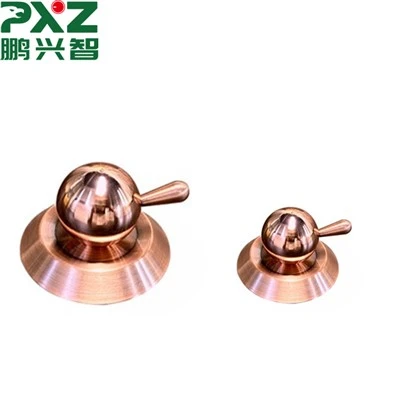


Oven knobs are the controls typically found on the front panel of an oven that allow users to adjust settings such as temperature, cooking mode, and timer settings. They are often circular in shape and may feature markings or indicators to denote different functions or temperature levels. These knobs are essential for operating the oven and customizing the cooking process according to the desired settings.
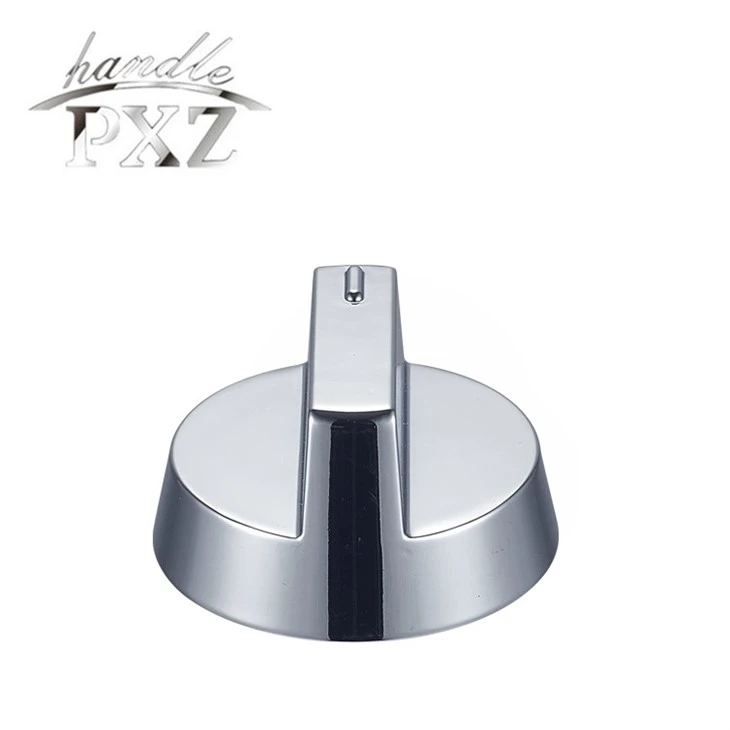
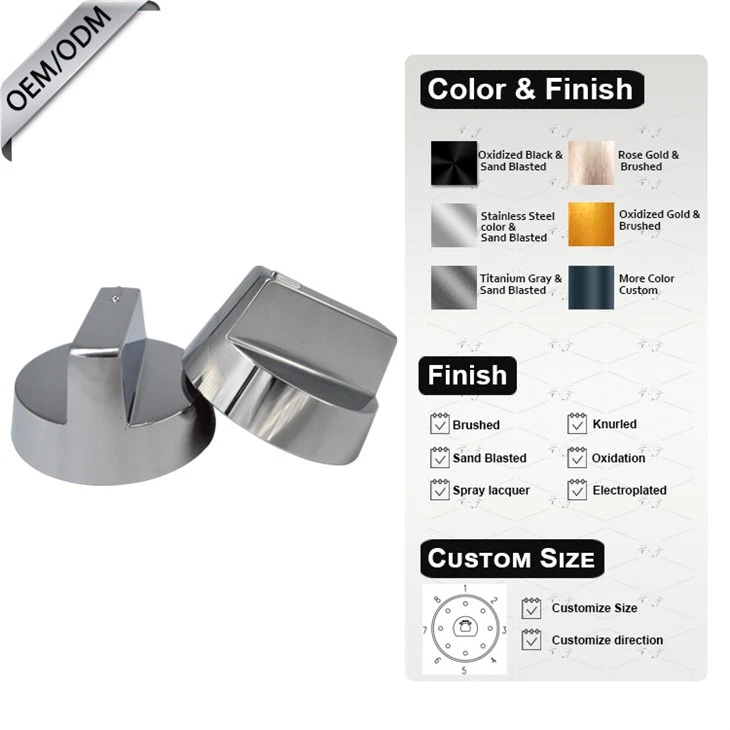
Features of Oven Knobs
Durability
Oven knobs are made from materials that can withstand high temperatures and frequent use. Common materials include metal, plastic, and rubber, each with its own set of advantages. Metal knobs are strong and long-lasting, plastic knobs are lightweight and resistant to heat, and rubber knobs offer a good grip and are heat-resistant.
Visual Indicators
Some oven knobs may have visual indicators to show the current temperature setting or other functions. These indicators can be in the form of color-coding, markings, or labels to make it easy for users to identify the desired setting.
Aesthetic Appeal
Oven knobs also contribute to the overall aesthetic appeal of the oven. They can be styled to match the design of the oven or kitchen appliances, creating a coordinated look.
Ease of Use
Oven knobs are designed to be easy to grasp and turn, even with wet or greasy hands. They are often larger in diameter to provide a good grip and may have ridges or grooves to prevent slipping.
Temperature Resistance
Oven knobs are able to withstand the high temperatures inside the oven without melting or deforming. This allows users to adjust the oven's settings even when it is in use.
Attachment Mechanism
Oven knobs are securely attached to the oven door using screws, bolts, or other fasteners. This ensures that they will not detach during use, even when the oven is in operation.
Compatibility
Oven knobs are designed to fit a specific make and model of oven. They are usually sold as replacement parts and are compatible with the existing holes and mounting points on the oven door.
1.Temperature Control
One of the primary functions of oven knobs is to control the temperature inside the oven. By turning the knob, you can increase or decrease the heat to achieve the desired cooking temperature for baking, roasting, or broiling.
2.Oven Light Control
In some ovens, the knob may include a switch to control the oven light. This allows you to turn the light on or off to check the progress of your cooking without opening the oven door and releasing heat.
3.Control Lock
Some oven knobs feature a control lock function, which allows you to lock the settings to prevent accidental changes. This is particularly useful if you have young children in the house or if you want to maintain a consistent cooking environment without any unintentional adjustments.

04
Cooking Mode Selection
Oven knobs allow you to select different cooking modes or settings based on your cooking needs. Common cooking modes include bake, broil, convection, and self-cleaning. Each mode adjusts the oven's heating elements and airflow to suit different cooking methods.
05
Timer Settings
Many oven knobs have a built-in timer function that enables you to set a specific cooking duration. Once the set time elapses, the oven will automatically turn off or switch to a keep-warm mode, ensuring that your food is cooked for the desired duration.
06
Indicator Lights
Oven knobs may incorporate indicator lights to provide visual feedback about the oven's status. For example, there may be a light to indicate when the oven is preheating, when the desired temperature has been reached, or when the oven is in self-cleaning mode.
07
Function Selection
Depending on the oven model, some knobs may offer additional functions beyond temperature control and cooking mode selection. These functions could include preheating, rapid heating, defrosting, or specific cooking presets for certain types of food.
Dial Knobs
These are the most common type of oven knobs.
They feature a round dial that rotates to adjust temperature or select functions.
Dial knobs are often made of metal or plastic and can be easy to clean.
Some dial knobs have a center point that indicates the "off" position.
Pull-Out Knobs
These knobs are designed to be pulled out from the oven door to adjust settings.
They are typically used for functions like the oven light switch or broiler activation.
Pull-out knobs can be made of plastic, metal, or rubber.
Push-Button Knobs
These knobs have a button that is pressed to activate or deactivate a function.
Push-button knobs are often used for oven functions like self-cleaning or delayed start.
They can be made of metal or plastic and may have a LED indicator to show when a function is active.
Lever Knobs
Lever knobs are operated by pulling or pushing a lever to adjust settings.
They are often used for door locking mechanisms or ventilation control.
Lever knobs can be made of metal or plastic, and some may have a locking mechanism to prevent accidental adjustment.
Electronic Touchscreen Knobs
Some modern ovens have electronic touchscreen knobs that allow users to adjust settings using a digital interface.
These knobs may feature touch-sensitive buttons or sliding controls to adjust temperature, select functions, or view oven status.
Electronic knobs are typically more advanced and may require specific cleaning and maintenance procedures.
Materials of Our Oven Knobs (Aluminum Alloy)
Durability
Aluminum alloys are known for their strength and resistance to wear and tear. Oven knobs made from aluminum alloy can withstand frequent use and the high temperatures often encountered in kitchen environments.
Lightweight
Despite their strength, aluminum alloys are relatively lightweight, which makes aluminum oven knobs easy to handle and manipulate, enhancing the user experience.
Corrosion Resistance
Aluminum naturally forms a protective oxide coating, making it resistant to corrosion. This property ensures that aluminum alloy oven knobs maintain their appearance and functionality over time, even in the presence of moisture and cleaning agents.
Heat Resistance
Aluminum alloys can withstand high temperatures, making them suitable for use in ovens where knobs may be exposed to heat. This heat resistance helps prevent deformation and damage during oven operation.
Aesthetic Appeal
Aluminum alloy knobs can be finished in a variety of ways, including polishing, anodizing, or painting. This versatility allows manufacturers to create knobs that match or complement the design and color scheme of the oven and kitchen décor.
Recyclability
Aluminum is highly recyclable, which makes aluminum alloy oven knobs an environmentally friendly option. Recycling aluminum requires only a fraction of the energy needed to produce primary aluminum, reducing the environmental impact.
Thermal Conductivity
Although high thermal conductivity might seem like a disadvantage for oven knobs, it can actually be beneficial by dissipating heat quickly, which may help the knob to not become too hot to touch, depending on the design and how well it's insulated from the oven's heat.
How to Replace the Oven Knobs


Required Tools: Kitchen sponge, pliers, a new oven knob part, and penetrating lubricant.
Follow the below steps to replace your oven knob:
Switch off the oven and cut off the power. Wait for the oven to cool.
On some ovens, friction holds the knobs in place on a D-shaped shaft. If there are any seals, keep them behind the knobs.
If there is a layer of grease on the knob that makes it difficult to remove, spray some penetrating lubricant on it.
If a knob is challenging to remove, use the pliers.
Make sure your replacement oven knob part’s specifications are identical to those of your original oven knobs. PXZ has a large collection of oven knobs with all types of specifications.
To clean the shafts and control panel, use a soft cloth or kitchen sponge moistened with window cleaner.
Align the knobs' D-shaped holes with the shafts' D-shaped grooves. Push the new knobs firmly onto the shafts until they stop moving.
Turn the oven on and off to ensure proper performance.
Safety First
Before cleaning your oven knobs, ensure that the oven is turned off and completely cooled down to avoid any accidental burns.
Remove the Knobs
Most oven knobs can be easily removed by pulling them straight off. However, some knobs may have a small screw or clip that needs to be loosened or removed first. Refer to your oven's user manual for specific instructions on removing the knobs.
Prepare a Cleaning Solution
Create a mild cleaning solution by mixing warm water with a small amount of dish soap or a gentle kitchen cleaner. Avoid using abrasive cleaners or harsh chemicals, as they can damage the knobs' finish.
Soak the Knobs
Place the oven knobs in the cleaning solution and let them soak for a few minutes. This will help loosen any grease, grime, or food residue.
Scrub the Knobs
Use a soft sponge or cloth to gently scrub the knobs, paying attention to any stubborn stains or buildup. Avoid using abrasive scrubbers or brushes that could scratch the surface of the knobs.
Dry the Knobs
After cleaning, rinse the knobs with clean water to remove any soapy residue. Then, use a clean cloth or towel to dry them thoroughly before reattaching them to the oven.
Clean the Control Panel
While the knobs are removed, take the opportunity to wipe down the control panel with a damp cloth or sponge. Be cautious not to let water seep into the control panel or any electrical components.
Reattach the Knobs
Once the knobs are dry, align them with their respective control shafts and firmly push them
Tips for Choosing the Right Oven Knobs
Measure the Existing Knobs
Measure the diameter, height, and depth of your current oven knobs to ensure that you select replacements that fit properly. This is especially important if you're replacing damaged or missing knobs on an existing oven.
Consider the Oven's Style
The knobs you choose should complement the style of your oven. For example, if you have a modern oven with sleek lines and a minimal design, you might want to choose simple, clean-lined knobs. If your oven has more traditional styling, you might prefer knobs with decorative details or a retro appearance.
Material Considerations
Knobs are made from various materials, including metal, plastic, and glass. Consider the material that best suits your needs. Metal knobs, such as aluminum alloy, offer durability and resistance to heat, while plastic knobs are often lightweight and affordable.
Ease of Use
Make sure the knobs you choose are easy to grasp and turn. This is especially important if you frequently adjust the oven temperature or timer. Consider knobs with a textured or ridged surface that provides a secure grip.
Temperature Resistance
Since oven knobs are exposed to high temperatures, choose knobs that can withstand the heat. Metal and some types of plastic are typically more heat-resistant than glass knobs.
Budget Considerations
Knobs can range in price from inexpensive to quite expensive, depending on the material, brand, and any decorative elements. Here PXZ provide you with various styles of high quality oven knobs with elegant appearance and competitive price.